choosing us server rental or hosting is a common requirement for cross-border businesses and high-performance websites. this article focuses on "detailed interpretation of frequently asked questions about server rental and hosting in the united states and comparison of packages". it explains each aspect from network, hardware, security, support and contracts to help readers make rational judgments between compliance and cost.
the core difference between server rental and hosting in the united states
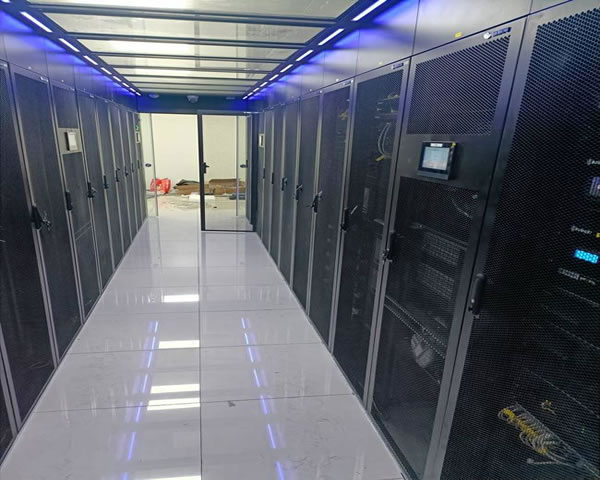
renting usually refers to providing a complete machine or virtual resources and remotely managing them by the user; hosting means that the user's own equipment is placed in the service provider's computer room, and the computer room provides power, network and physical security. there are obvious differences between the two in management authority, maintenance responsibilities and initial investment. the most appropriate solution should be determined based on the team's operation and maintenance capabilities, budget, and long-term expansion plan.
bandwidth vs. network quality: how to evaluate
bandwidth, peak throughput and network egress are key to access speed and stability. when evaluating, focus on upstream/downstream bandwidth, network quality (packet loss, jitter), backbone links, and ddos protection capabilities. for cross-border access, it is best to test the latency and stability of the target market, and understand the traffic billing method and traffic peak handling strategy.
hardware configuration and scalability considerations
processor, memory, storage type (ssd/nvme) and raid redundancy are the basis of performance. also consider virtualization support, cpu core exclusivity and iops performance. in terms of scalability, give priority to solutions that support online upgrades or elastic expansion, so that when business grows, it can expand smoothly without affecting existing network services.
data security and compliance essentials
data encryption, access control, audit logging and physical access management are core elements. if user privacy or industry regulation is involved, you should confirm whether the service provider supports relevant compliance requirements (such as privacy protection and data residency rules). additionally, understanding security incident response processes and history can also help assess reliability.
impact of computer room location on latency and regulations
the united states is a vast country, and the delays to different countries and cities on the east coast, west coast, and central computer rooms vary significantly. when selecting a computer room, consider the target user distribution, legal environment (such as data transmission rules) and network backbone interconnection points, and weigh delay, accessibility and compliance requirements.
comparison of management services and technical support levels
service providers generally provide different levels of management services: from basic monitoring to managed operation and maintenance, patch management, backup and fault response. when evaluating support, you should look at response time, support channels (telephone, work orders, 24/7) and whether sla guarantees are provided. the team's professional capabilities and support processes directly affect the speed of fault recovery.
key points of backup strategy and disaster recovery design
regular backup, off-site backup and recovery drills are the basis for ensuring business continuity. disaster recovery design should also include multi-az deployment, database replication, and automatic failover mechanisms. confirm backup retention policy, recovery point time objective (rpo) and recovery time objective (rto), and test backup availability and recovery processes.
notes on billing models and contract terms
billing is usually based on traffic, bandwidth, hourly or monthly. there may also be additional ip, computer room access or maintenance fees. before signing, carefully review the bandwidth guarantee, termination clause, compensation mechanism and upgrade process in the contract to clarify the boundaries of responsibilities and avoid unforeseen additional costs in the later period.
package comparison points and purchasing suggestions
when comparing packages, take performance parameters (cpu, memory, storage io), bandwidth quality, ddos protection, backup strategy and support duration as core dimensions. choose based on business type: static websites and light applications can give priority to cost-effectiveness, while databases and high-concurrency services should focus on io and network stability. it is recommended to start with a trial or short-term contract before making a long-term commitment.
quick answers to frequently asked questions
frequently asked questions include how to choose bandwidth, whether you need a dedicated ip, how to deal with ddos, how to understand slas, and when to choose hosting over leasing. the general principles are: clarify business needs, evaluate actual traffic and peak values, prioritize security and backup, and require service providers to provide verifiable technical indicators and support commitments.
summary and suggestions
regarding the "detailed interpretation of frequently asked questions about server rental and hosting in the united states and comparison of packages", it is recommended to first clarify the access area and performance requirements, formulate security and backup strategies, and then compare bandwidth, hardware, support and contract terms. if necessary, a short-term trial can be conducted first and the disaster recovery process can be practiced to strike a balance between compliance, security and cost, and lay the foundation for long-term stable operations.


